







A reliable Peanuts Manufacturer in India can help international buyers source quality groundnuts for edible oil production, roasted snacks, peanut butter, confectionery, food processing and wholesale distribution. India has an established groundnut industry supported by agricultural production, processing facilities and international trading networks.
According to the Agricultural and Processed Food Products Export Development Authority (APEDA), India produced approximately 130.74 lakh tonnes of groundnuts in 2025–26, based on the Third Advance Estimate. During the same financial year, India exported approximately 663,809.68 metric tonnes of groundnuts, valued at US$690.93 million. Major export destinations included Indonesia, Vietnam, Malaysia, China and the Philippines.
Indian peanuts are available in different varieties and commercial grades, making India an important sourcing destination for international food businesses.
For buyers, successful procurement requires attention to kernel size, purity, moisture, oil content, aflatoxin levels, packaging, quality inspection and export documentation.
India is the world’s second-largest groundnut producer, with cultivation spread across several agricultural states.
APEDA identifies Gujarat, Rajasthan, Madhya Pradesh, Tamil Nadu, Uttar Pradesh, Andhra Pradesh, Maharashtra, Karnataka, West Bengal and Telangana among the major groundnut-producing states.
Indian peanuts are available in different varieties, including Bold or Runner, Java or Spanish, and Red Natal. These varieties serve different commercial and processing requirements.
India also has established infrastructure for cleaning, sorting, grading, shelling, storage and packaging, which supports domestic and international groundnut trade.
Before contacting a manufacturer or supplier, buyers should identify the required peanut variety.
Common Indian varieties include:
Bold or Runner peanuts
Java or Spanish peanuts
Red Natal peanuts
Kadiri varieties
Other region-specific groundnut varieties
The appropriate variety depends on the intended application, kernel size, oil content, appearance and buyer specifications.
Quality is one of the most important factors when purchasing groundnuts internationally.
Buyers should establish clear specifications covering:
Kernel size
Moisture content
Foreign matter
Broken kernels
Damaged kernels
Colour and appearance
Oil content
Purity
Insect damage
Aflatoxin levels
For food-processing applications, buyers should pay particular attention to food safety and contamination requirements.
The final acceptable limits should be agreed according to the importing country’s regulations and commercial contract.
Aflatoxin control is particularly important in international peanut trade.
Aflatoxins are naturally occurring toxins produced by certain moulds and can contaminate groundnuts under unsuitable growing, drying and storage conditions.
APEDA operates Peanut.Net, a traceability and certification system that supports aflatoxin testing and export monitoring for peanuts and peanut products.
The system connects exporters, registered processing units, laboratories and relevant authorities. Exporters use it for consignment processing, laboratory analysis and applications for Certificates of Export.
Buyers should request relevant testing documentation and confirm that shipments meet the applicable destination-market limits.
A professional manufacturer should have suitable arrangements for processing and preparing peanuts according to buyer requirements.
Important considerations include:
Cleaning and sorting
Grading
Shelling where required
Kernel size separation
Quality inspection
Proper storage
Hygienic packaging
Buyers should also evaluate the manufacturer’s ability to maintain consistent specifications across repeat orders.
Packaging depends on the destination market, product type and handling requirements.
Common commercial options include:
25 kg bags
50 kg bags
PP bags
Jute bags
Retail packaging
Customized packaging
Private-label packaging
Bulk container shipments can also be arranged according to commercial requirements.
The packaging should protect the product from moisture, contamination and handling damage during transportation.
Peanut exports from India have specific compliance requirements.
APEDA publishes procedures for peanuts and peanut products covering registration, quality controls, aflatoxin testing, traceability and export certification.
Its latest published peanut export procedure was dated 12 August 2026. Exporters should consult the updated procedure rather than relying on outdated documentation.
Depending on the product and destination, shipment documentation can include:
Commercial invoice
Packing list
Certificate of Origin
Phytosanitary Certificate where applicable
Fumigation Certificate where required
Laboratory analysis report
APEDA Certificate of Export
Shipping documents
The exact requirements should be verified before confirming the shipment.
The lowest quotation is not necessarily the best commercial offer.
International buyers should compare product quality, kernel specifications, packaging, processing, inland transportation, freight, inspection and other shipment costs.
For recurring procurement, manufacturers should also demonstrate the ability to maintain consistent quality and fulfil repeat requirements.
A dependable supply relationship can make international purchasing more efficient.
India’s groundnut production is geographically diverse.
Gujarat is one of India’s most important groundnut-producing regions and contributes significantly to the country’s agricultural supply.
Rajasthan and Madhya Pradesh are also major production regions, providing sourcing opportunities for groundnut traders and processors.
Other important producing states include Tamil Nadu, Andhra Pradesh, Maharashtra, Karnataka, Uttar Pradesh, Telangana and West Bengal.
This geographical distribution allows buyers to explore different sourcing options depending on seasonal availability, variety, quality and transportation requirements.

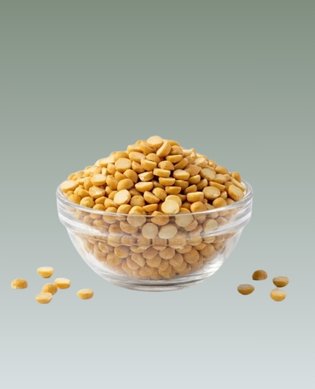
Indian groundnuts are used across several commercial industries.
Edible Oil Production: Peanuts are processed to extract groundnut oil, which is used in cooking and food manufacturing.
Roasted Snacks: Groundnuts are used in roasted, salted and flavoured snack products.
Peanut Butter: Selected peanut kernels are used by manufacturers producing peanut butter and spreads.
Confectionery: Peanuts are ingredients in sweets, chocolates, bars and other confectionery products.
Food Processing: Groundnuts are used in sauces, bakery products, traditional foods and other processed food applications.
The appropriate peanut variety and specification depend on the intended application.
Krishna Kant Ojha Traders offers peanuts (groundnuts) as part of its agricultural product range.
The company’s product information highlights cleaned, sorted and graded peanuts with attention to uniform kernel size, moisture, oil content and foreign matter.
For international buyers, the company lists the following supply options:
25 kg and 50 kg PP/Jute bags
Customized packaging
Private-label packaging
Bulk container shipments
Quality testing and export documentation assistance
For buyers looking for a Peanuts Manufacturer in India, Krishna Kant Ojha Traders can discuss sourcing requirements according to product specifications, quantity, packaging, destination and shipment schedule.
Explore the Peanuts product page or browse the complete products catalogue.
International buyers can provide the following details when requesting a quotation:
Product: Indian Peanuts / Groundnuts
Variety: Bold / Java / Spanish / Other
Type: Shelled / In-Shell
Size: Required kernel count or size
Quality: Purity, moisture and aflatoxin requirements
Quantity: Required metric tonnes
Packaging: 25 kg / 50 kg / Customized
Destination: Country and port
Application: Oil / Snacks / Peanut Butter / Food Processing
Delivery Terms: Preferred Incoterm
Shipment: Required timeline
Providing complete product specifications helps make the sourcing and quotation process more efficient.
Yes. India is the world’s second-largest groundnut producer, with estimated production of 130.74 lakh tonnes during 2025–26, according to APEDA.
Major varieties include Bold or Runner, Java or Spanish and Red Natal, along with other region-specific varieties.
Major destinations for Indian groundnuts during 2025–26 included Indonesia, Vietnam, Malaysia, China and the Philippines.
Peanut.Net is an APEDA traceability and certification system that supports aflatoxin testing, consignment monitoring and export certification for peanuts and peanut products.
Commercial options can include 25 kg and 50 kg PP or jute bags, customized packaging, retail packs and private-label packaging.
Buyers should evaluate kernel size, purity, moisture, oil content, foreign matter, damaged kernels, aflatoxin levels, packaging and destination-market requirements.
Choosing the right Peanuts Manufacturer in India is important for international buyers seeking quality groundnuts for edible oil, snacks, peanut butter, confectionery and food-processing industries.
India has an established groundnut production and export ecosystem, with approximately 663,809.68 metric tonnes of groundnut exports during FY 2025–26.
Successful sourcing depends on defining the required variety, confirming quality specifications, checking aflatoxin compliance, selecting appropriate packaging and verifying export documentation.
Krishna Kant Ojha Traders offers peanut sourcing and supply options for domestic and international buyers, with requirements discussed according to quantity, specifications, packaging and destination.
Contact Krishna Kant Ojha Traders to discuss your requirements for Indian peanuts and groundnuts.



Village Bhaisath, Sekhui Bansi, , Siddharthnagar, Mathura, Uttar Pradesh, 272153
© 2026 Krishna Kant Ojha Traders. All Rights Reserved.
Designed by Go4Export India